

苏ICP备112451047180号-6
数控直流电压源的设计
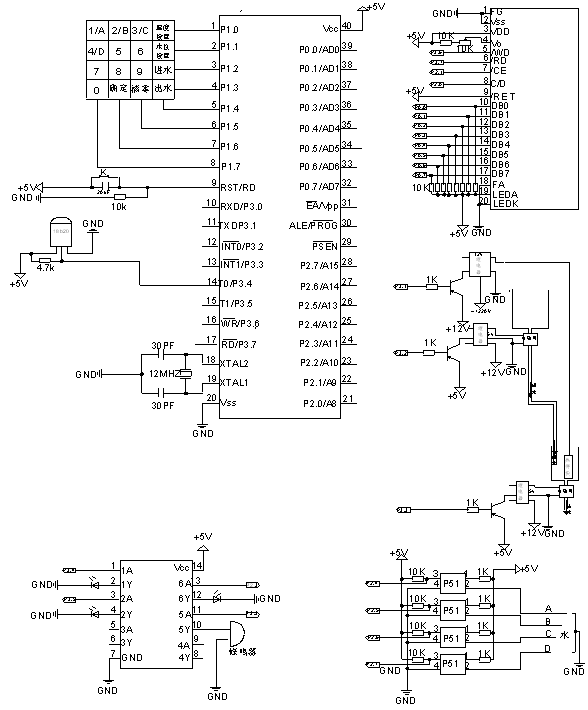
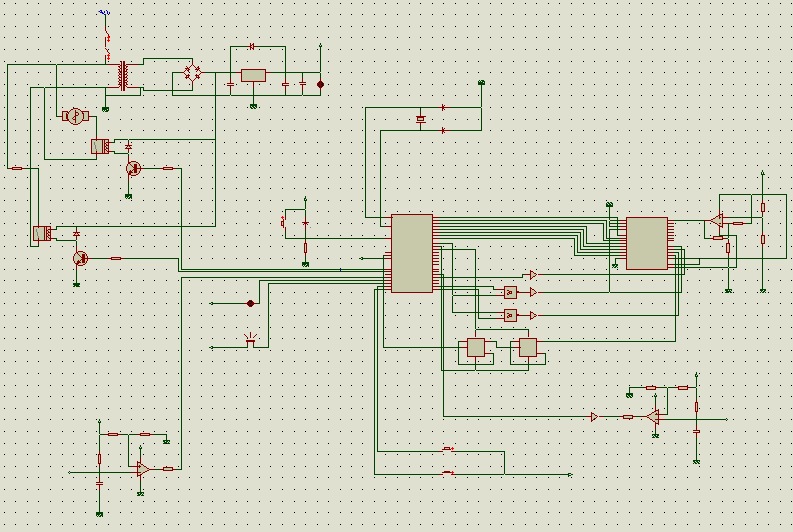
摘 要:为解决普通电源精度不高和无负电压输出的问题,本文介绍一种数控直流稳压电源。详细论述了该系统的总体结构、硬件和软件的设计。本文描述的控制系统是以直流电压源为核心,AT89C51单片机为主控制器,通过键盘来设置直流电源的输出电压,设置步进等级可达0.1V和0.05V,输出电压范围为0~+9.9V,纹波不大于10mV,最小电流为500mA,采用四位LED 数码管动态显示实际输出电压值、电压设定值和输出电流值,系统具有按键设置预置电压功能,本系统由单片机内部寄存器输出PWM脉冲,再经过驱动电路放大PWM脉冲信号。单片机系统通过内部十位A/D不断检测电源的输出电压,根据电源输出电压与设定值之差,利用片内PWM模块输出PWM波,直接控制电源的工作。
关键词:数控开关电源;脉宽调制(PWM);单片机;闭环控制
The design of numerical control DC voltage source
Abstract: In order to solve the ordinary power accuracy is not high, and no negative voltage output of the problem, the paper presents a numerical DC power supply. Discusses the overall architecture, hardware and software design of the system. This article describes the control system is based on a DC voltage source for the core, AT89C51 micro-controller-based controllers, to set the output voltage of the DC power supply through the keyboard, setting Stepping level up to 0.1V and 0.05V, the output voltage range of 0 to + 9.9 V, the ripple is not greater than 10mV, the minimum current of 500mA, using four LED digital tube dynamic display the actual output voltage, output current and voltage set-point value, the system has a matrix of buttons to set the preset voltage, protection circuits and other functions, this system consists of MCU internal PWM pulse output register. SCM system through internal ten bit A / D continues to sense the output voltage power supply, according to the difference between the power supply output voltage with the set value, the use of on-chip PWM module output PWM wave, the direct control of the power of work.
Keywords: NC switching power supply; pulse width modulation (PWM); SCM; closed-loop control
目录
1绪论
1.1课题的背景及意义.................................................................................................3
1.2国内外研究现状.....................................................................................................4
1.3课题的研究内容.....................................................................................................5
2总体设计
2.1系统整体设计.........................................................................................................5
2.2总体设计框图.........................................................................................................5
3电路设计
3.1系统电路设计思路.................................................................................................6
3.2主电源和辅助电源的设计.....................................................................................6
3.3 AT89C51主控电路的设计....................................................................................6
3.4显示和按键电路设计.............................................................................................8
3.5 D/A转换电路.........................................................................................................8
4硬件设计
4.1AT98C51芯片的介绍.............................................................................................9
4.2数模转换DAC0832...............................................................................................12
4.3数码管显示和键盘检测原理.................................................................................13
4.4 LM7815、LM7915、LM7805的介绍..................................................................15
4.5运算放大器和射极输出器.....................................................................................16
5软件设计
5.1软件设计思路.........................................................................................................16
5.2软件设计框图.........................................................................................................16
6调试与误差分析
6.1硬件调试.................................................................................................................17
6.2软件调试.................................................................................................................17
6.3误差分析.................................................................................................................18
7总结与展望
7.1总结.........................................................................................................................18
7.2展望.........................................................................................................................19
7.3小结并致谢.............................................................................................................19
参考文献.......................................................................................................................19
附录1元件清单...........................................................................................................20
附录2原理图...............................................................................................................21
附录3程序代码...........................................................................................................22
1绪论
1.1课题的背景及意义
能量是万物的生命之源,没有能量就没有它们存在的意义。电源是向电子设备提供功率的装置,也称电源供应器,它提供计算机中所有部件所需要的电能。把其他形式的能转换成电能的装置叫做电源。
电源是以电力电子学为核心的技术产品。“电源”是终端产品,“电源”产品是“电力电子”应用技术的具体产品体现。电力电子电源通常指采用电力电子技术的电源产品,是电力电子设备中重要组成成员。以电力电子学为核心技术的电源产业,电源行业是各类高科技产业发展的基础,所有的高精尖科技设备都需要电力电子电源的技术支持。随着I T产业、IC产业、PC机飞速发展。带动电源行业的腾飞。电源行业广泛运用于各行各业,以国民经济密不可分。
而数控电源技术是电源产业的重中之重,应用于各行各业。是电子实验员、电子设计人员及电路开发部门进行实验操作和研究不可或缺的电子仪器。在电子电路中,基本上都需要电压稳定的直流电源来供电。而整个稳压过程是由电源变压器、整流、滤波、稳压等四部分组成。但是这种传统的直流稳压电源都是功能简单、不易控制、可靠性低、干扰性大、精密度低且体积大。普通的直流稳压电源品种鱼目混珠,且都存在以下两个问题:输出电压是通过粗调(波段开关)及细调(电位器)来调节。这样,当输出电压需要精确输出,或需要在一个小范围内改变时,难以实现。另外,随着使用时间的增加,波段开关及电位器会接触不良,继而影响输出。普通的直流稳压电源满足不了现实的需要,所以迫切要求电源技术的更新。
而基于单片机控制的直流电压源能够很好的解决以上电压源的不足。


参考文献:
[1]詹新生,张江伟. 基于AT89C51的数控直流电压源的设计[J]. 现代电子技术,2008,19:107-109.
[2]责任者姓名.朱士玲.文献名称.基于51单片机数控直流稳压电源的设计,网络地.道客巴巴.
[3]谭浩强.C程序设计[M].北京:清华大学出版社,2007.